 blog
Is All-Electric Home Design Worth It in 2026?
Last Updated: November 12, 2026
Quick Summary
An all-electric home design is worth it when you plan solar, want one clear energy source and are comfortable with electric cooking, but the answer depends on your own tariff, usage and electrical upgrade costs. Compare like-for-like quotes with the same floor plan, assumptions and study period before deciding.
- Compare an all-electric build and a gas-connected version of the same design, not different homes.
- Include the gas connection, flueing and meter charges when comparing upfront costs.
- Run running-cost figures three ways: no solar, solar only, and solar plus battery.
- Check whether your switchboard needs an electrical upgrade to support an all-electric load.
- Confirm backup needs early, since reverse-cycle air conditioning start-up surges can exceed battery capacity.
Table of Contents
- What an All-Electric Home Actually Includes
- All-Electric Home Cost: Upfront Versus Running Costs
- All-Electric vs Gas Home: Where Each One Wins
- All-Electric Home Appliances and Heat Pumps Explained
- Reliability, Outages and Backup Options
- How to Plan an All-Electric Home for Your Situation
- Book a Free Site Assessment With Granny X
- Frequently Asked Questions
What an All-Electric Home Actually Includes
An all-electric home design runs on electricity for heating, hot water, cooking and most other appliances, with no gas connection. Many Australian households are now asking whether that shift is worth the effort, especially with new builds and renovations on the table. Owners of secondary dwellings across Victoria often ask about the trade-offs from the design side.
In practice, a typical all-electric setup often includes:
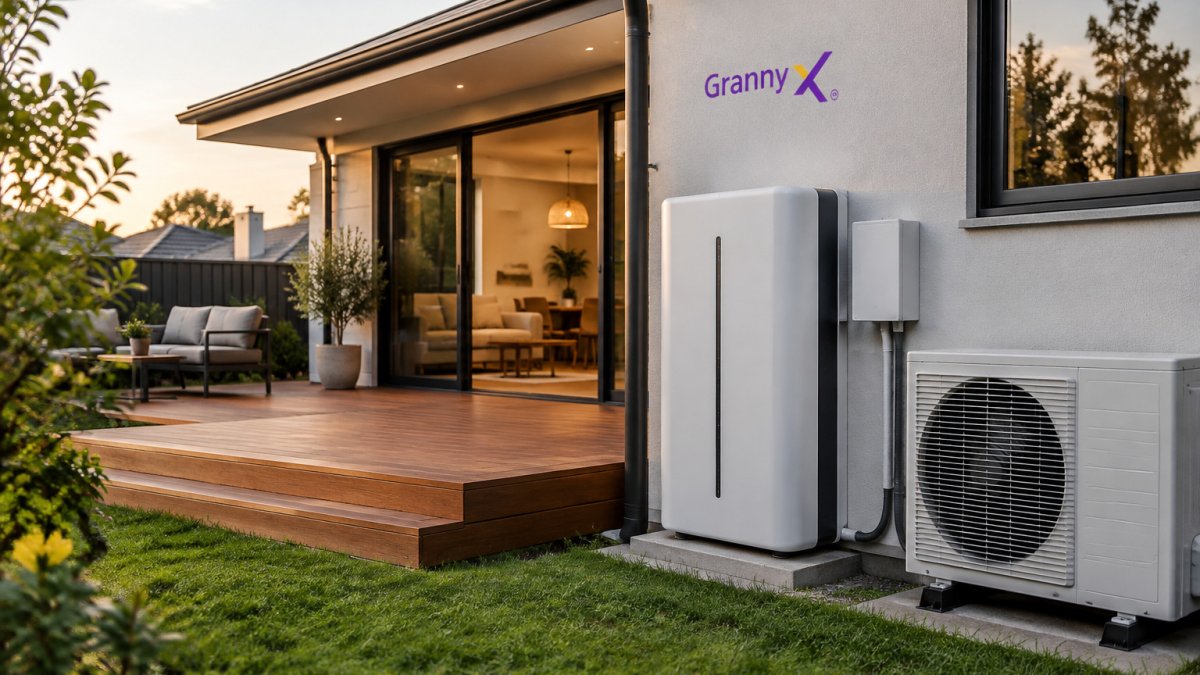
- Heat-pump hot water in place of a gas storage or instantaneous system
- Reverse-cycle air conditioning for heating and cooling
- Induction or electric cooktops instead of gas burners
- Electric appliances for laundry and cooking
- A switchboard sized to handle the added electrical load
The key point is that the all-electric home design is built around electricity from the start. Wiring, switchboard capacity and ventilation all matter more when there is no gas line to fall back on. Solar panels and battery storage are optional extras, but they change the running-cost picture, which we cover below.
All-Electric Home Cost: Upfront Versus Running Costs
Upfront cost and running cost tell different stories, and the fairest way to compare them is to state your assumptions before comparing quotes. An all-electric build can cost more or less to start, depending on the site, the appliances chosen and whether a gas connection is being avoided altogether. Running costs then depend on your electricity tariff, how much you use and whether you generate your own power.
Because every block and household is different, we avoid quoting a single price. What we can do is show you the framework a fair comparison uses, so the quotes you collect are genuinely like-for-like.
A Like-for-Like Cost Comparison
The fairest comparison is between two versions of the same home: one all-electric, one with gas. Compare the same floor plan, the same insulation level and the same appliance quality. Otherwise the numbers mostly reflect differences in build quality, not in energy source.
Set out your assumptions in writing before you compare quotes. A workable template covers:
- Household size and occupancy, how many people, and whether anyone is home during the day
- Climate zone, heating and cooling load drive most of the difference
- Floor area and orientation, the same plan on a north-facing block performs differently from one shaded in winter
- Tariff type, flat rate versus time-of-use, and the daily supply charge
- Solar and battery, none, solar only, or solar plus battery
- Appliance specification, the same star rating and capacity in both versions
- Study period, usually 10 years, long enough to capture at least one appliance replacement
When you compare, check:
- The upfront cost of the gas connection and any gas appliances you would avoid
- The cost of the electrical upgrade needed to support an all-electric load
- The annual running cost based on your actual tariff
- The expected life and replacement cost of each system
- Any gas abolishment or meter removal fee if you are disconnecting an existing supply
The upfront gap depends on the scale of the electrical upgrade and whether a gas connection and flueing are avoided, so run the numbers for your own home.
How Tariffs and Solar Change the Numbers
Electricity tariffs and rooftop solar can shift the running-cost result a lot. Time-of-use tariffs, supply charges and feed-in rates all vary between retailers and regions. Solar can offset daytime electricity use, while batteries can shift that power into the evening.
Run the numbers three ways rather than one:
- No solar, the all-electric home is exposed to the full retail tariff, so the result hinges on your heating and hot water load.
- Solar only, daytime loads such as hot water and washing are largely covered, but evening cooking and heating still draw from the grid.
- Solar plus battery, evening loads are partly covered, and the battery adds resilience value that a bill comparison alone will not show.
Use the figures from your own bills rather than general averages. A household that uses most of its power during daylight will see a different outcome from one that cooks and heats mainly at night. If you are weighing a secondary dwelling, our 7-star NatHERS rated granny flat guide explains how thermal design reduces the load those tariffs have to cover.
Watch out: comparing a quoted all-electric price against a gas price that excludes the gas connection, flueing and meter charges understates the true upfront gap.
All-Electric vs Gas Home: Where Each One Wins
Neither option is the right answer for every home. Here is how they compare in common situations:
| Factor | All-electric home | Gas-connected home |
|---|---|---|
| Upfront setup | Often simpler, no gas line | Gas connection charges apply |
| Running costs | Depends on tariff and solar | Depends on gas prices |
| Solar fit | Strong fit | Works, but less integrated |
| Future-proofing | Easier to add batteries and EV charging | Gas may need removal later |
An all-electric home tends to win where solar is planned, the household is comfortable with electric cooking, and the owner wants one clear energy source. A gas-connected home can still make sense where a gas connection already exists and the owner prefers gas cooking.
All-Electric Home Appliances and Heat Pumps Explained
Heat pumps move heat rather than creating it, which is why they can be efficient. A heat-pump hot water system and a reverse-cycle air conditioner both use this principle. For most homes, the appliance choice matters as much as the energy source.
Keep these points in mind:
- Size the heat pump to the household, not the biggest unit available
- Check the energy rating before comparing prices
- Place outdoor units where they get airflow and are easy to service
- Pair efficient appliances with good insulation for the best result
A highly rated, energy-efficient build is the foundation that makes these appliances work well. Our 7-star NatHERS rated granny flat guide explains how thermal design supports efficient electric appliances.
Reliability, Outages and Backup Options
An all-electric home depends on the grid for most of its power. Outages stop cooking, heating and hot water unless you plan for them. This is a real consideration, especially in areas with older network infrastructure or more frequent storms, and it is best treated as a design input rather than an afterthought.
The practical question is not whether you have a battery, but which circuits you want to keep alive. Most backup systems are wired to a dedicated essential-services panel rather than the whole switchboard, because powering everything requires a far larger battery or generator than most households need.
A typical essential-services list covers:
- Refrigeration
- Lighting for main living areas and bedrooms
- Power points for communications equipment and a medical device if required
- Hot water, if the heat pump is efficient enough to run from the backup supply
- Selected cooking circuits, usually one induction cooktop rather than every appliance
Heating and cooling are the hardest loads to back up. Reverse-cycle air conditioning draws a large current at start-up, so check whether the battery or generator can handle the surge, not just the running load.
Common backup options include:
- A battery system sized to your essential circuits, with a changeover switch so the house can run islanded from the grid
- A small generator with a transfer switch, provided the generator is compatible with your inverter and any battery system
- A portable induction cooktop or camping stove as a low-cost fallback for cooking
- Good insulation and thermal mass, which keep the home comfortable for longer during a cold snap without any power at all
Generator compatibility deserves early attention. Some battery inverters will not accept a generator input, and some will only charge from the generator rather than pass power through to the house. Confirm the arrangement with your electrician and the equipment supplier before you commit to a generator.
Watch out: a battery marketed as 'whole-home backup' may only support a limited number of circuits once the surge loads are counted, so ask for the essential-services schedule in writing.
Discuss your outage risk and backup needs early, so they shape the design rather than being added later. If you are planning a secondary dwelling, our start-to-finish granny flat guide shows where resilience decisions sit in the build sequence.
How to Plan an All-Electric Home for Your Situation
Start by listing your goals. Are you lowering running costs, reducing emissions, planning solar, or simply wanting a simpler build? Your answer shapes which trade-offs matter most.

Then work through these steps:
- Pull 12 months of electricity and gas bills to see actual usage.
- Get quotes for an all-electric build and a gas-connected version of the same design.
- Ask an electrician whether your switchboard needs an upgrade.
- Check which tariffs suit your household's usage pattern.
- Decide on solar and battery plans before finalising the design.
Financing also shapes what you can build. Our guide on how to finance a secondary dwelling construction walks through the options before you commit. If you are moving from planning to building, our start-to-finish granny flat guide shows how the process unfolds.
Book a Free Site Assessment With Granny X
Deciding whether an all-electric home is worth it comes down to your block, your budget and how you plan to use the space. We can help you work through those factors before any money is committed. Granny X offers a free site assessment to confirm feasibility, so you know what your land can support.
Our end-to-end granny flat service covers design, build and tenanting support, so you have one point of contact from start to finish. Book your free site assessment today and get a clear answer for your property.
Frequently Asked Questions
Is an all-electric home cheaper to run than a gas home?
It depends on your electricity tariff, your gas supply charges and whether you have solar. Running costs can favour an all-electric home where solar covers a large share of daytime use and the gas connection charge is avoided. Where electricity is on a high-rate tariff with no solar, a gas home may still cost less to run. Compare your actual bills, and get a like-for-like quote for your home before deciding.
Does an all-electric home cost more to build?
Upfront costs vary with the design, the site and the appliances chosen, and pricing depends on quantity, dates and installation conditions. Avoiding a gas connection can offset some of the cost of electric appliances and wiring, while switchboard upgrades can add to it. Granny X can provide a quote for your specific project and site, which is the most reliable way to compare the two options.
What appliances do you need for an all-electric home?
A typical all-electric home uses electric cooking, heat-pump hot water and reverse-cycle air conditioning for heating and cooling. Some households also add other electric appliances or an EV charger. Check that your switchboard capacity suits the appliances you plan to run at the same time, as this is often the deciding factor in whether upgrades are needed.
Can an all-electric home work during a power outage?
Without backup, an all-electric home loses heating, cooking and hot water during an outage. A battery paired with solar can keep essential circuits running for a period, and a backup generator is another option. Consider which loads matter most to you, and confirm your backup design with your installer before the build.